Beat the Summer Heat: Effective Strategies to Keep Ants, Spiders, and Wasps Outdoors

Summer brings warm weather and longer days, but it also invites unwanted guests like
ants, spiders, and wasps into our homes. These pests can disrupt outdoor fun, cause discomfort, and even pose health risks. Keeping them outside where they belong requires a mix of prevention, smart habits, and targeted solutions. This guide offers practical tips to protect your home and enjoy a pest-free summer.
Understand What Attracts Summer Pests
Ants, spiders, and wasps are drawn indoors mainly by food, water, and shelter. Knowing what attracts them helps you cut off their access points.
Ants seek sugary foods, crumbs, and water sources.
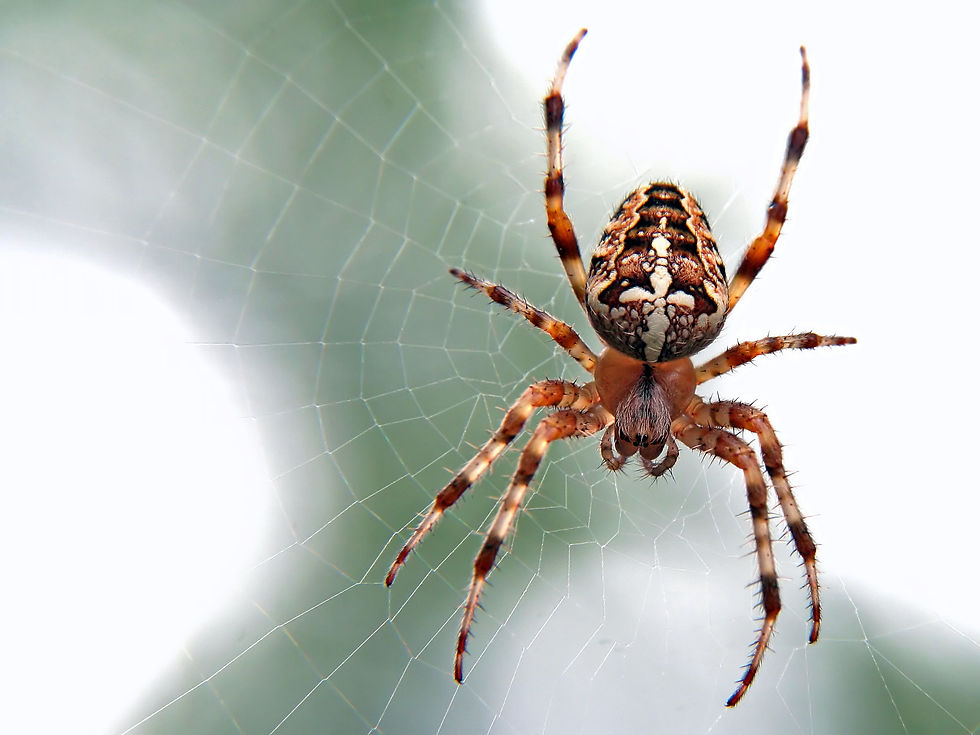
Spiders follow insects, so a high insect population near your home invites them.
Wasps look for sweet drinks, food scraps, and sheltered spots to build nests.
Keeping these attractants away from your living spaces is the first step to prevention.
Seal Entry Points and Maintain Your Home
Pests enter through tiny cracks and gaps. Inspect your home’s exterior carefully and seal any openings.
Use caulk to close gaps around windows, doors, and pipes.
Repair damaged screens on windows and vents.
Keep doors closed or install door sweeps to block gaps under doors.
Check for holes in siding or foundation and fix them promptly.
Regular maintenance reduces the chances of pests sneaking inside.
Manage Outdoor Food and Waste
Outdoor eating and trash can lure pests close to your home.
Clean up food spills immediately after barbecues or picnics.
Store trash in sealed containers and empty them regularly.
Avoid leaving pet food outside overnight.
Use lids on compost bins and keep them away from the house.
By controlling outdoor food sources, you reduce the chances of ants and wasps hanging around.
Use Natural Repellents and Barriers
Chemical sprays are not the only option. Natural repellents can discourage pests without harsh effects.
Peppermint oil and vinegar sprays deter ants and spiders. Mix with water and spray around entry points.
Plant herbs like mint, basil, and lavender near doors and windows to repel insects.
Diatomaceous earth sprinkled around foundations can block crawling insects.
Hang fake wasp nests to trick wasps into avoiding your space.
These methods are safe for families and pets while helping keep pests at bay.

Control Wasps Safely
Wasps can be aggressive, especially near food or nests. Handling them carefully is key.
Locate and remove small nests early in the season using a wasp spray at dusk.
Avoid bright colors and floral scents when outdoors, as they attract wasps.
Cover food and drinks when eating outside.
If you find a large nest, contact a professional pest control service.
Taking these precautions reduces the risk of stings and keeps wasps away from your living areas.
Keep Spiders from Settling Indoors
Spiders often enter homes seeking shelter and food.
Reduce clutter in basements, attics, and garages where spiders hide.
Vacuum regularly to remove webs and egg sacs.
Use yellow or sodium vapor light bulbs outdoors; they attract fewer insects, which means fewer spiders.
Seal cracks and gaps to block entry.
A clean, well-maintained home discourages spiders from making themselves at home.
Monitor and Act Early
Regularly check your home and yard for signs of pests.
Look for ant trails, spider webs, and wasp nests.
Address small problems before they grow.
Use sticky traps or bait stations for ants if needed.
Keep outdoor lights off or use motion sensors to reduce insect attraction.
Worried about infestations? Act early and call Stonewood Pest to keep your summer enjoyable.


Comments